The Very Important Sum Of Our Parts
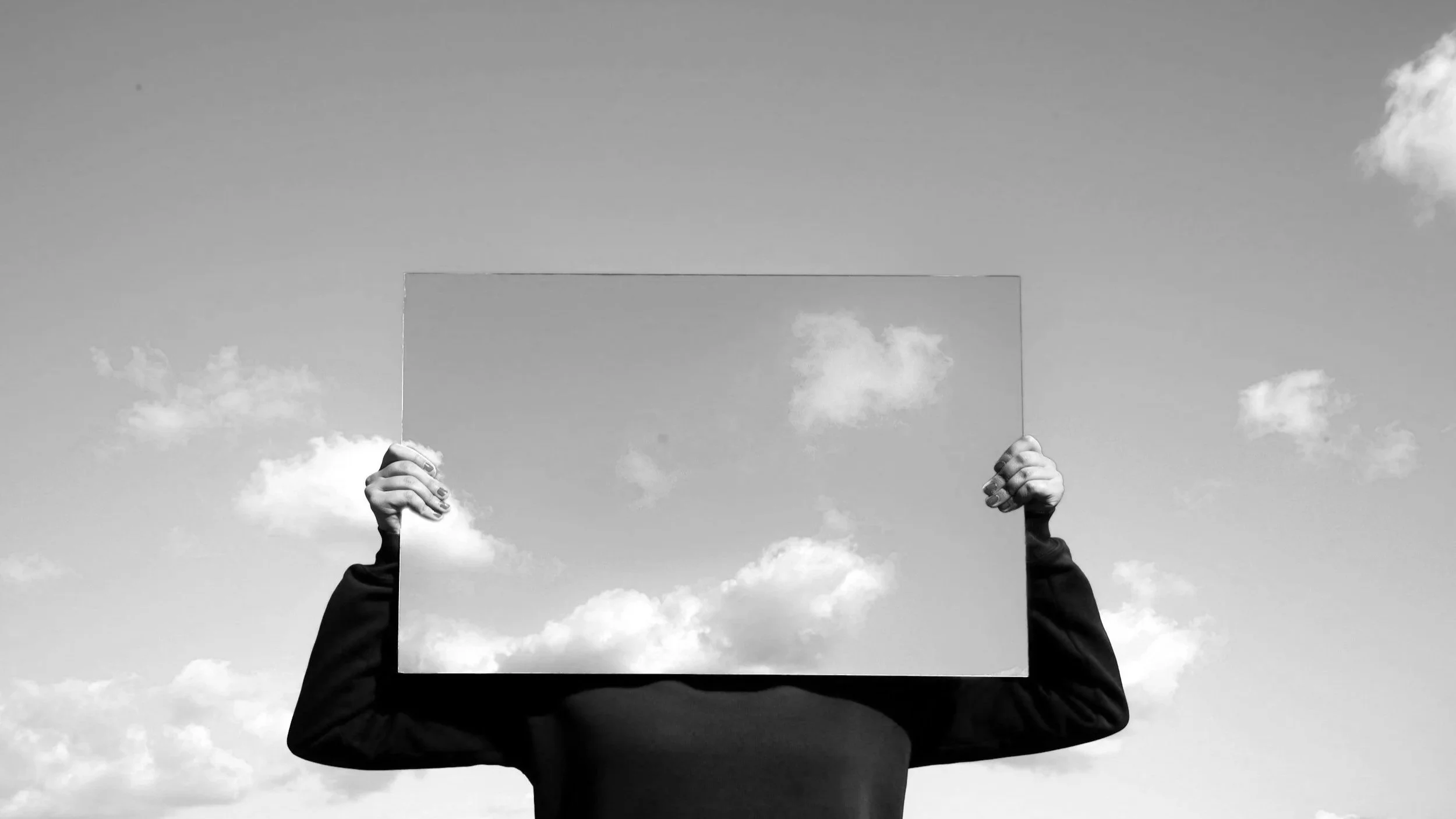
Whole Child Education is such an amazing pedagogical concept. It entails acknowledging that the beings in a classroom aren’t simply receptacles into which information is poured, and from which work is extracted. Learners have aspirations and feelings, family lives and social lives, a history and a community, bodies they are trying to feed and nurture, as well as challenges and struggles. When I first heard it named, years ago, my head swam with possibilities. To be honest, I got a little choked up. It didn’t make teaching easier (quite the contrary), but it did make things clearer, more honest. It’s what small humans deserve in an education system. If you teach philosophy to kids, you’ve probably done a fair bit of arguing in favour of it. It’s kind of the bedrock of our practice.
As a teacher and as a parent, it chokes me up even more at the moment. Children have always contained multitudes, in the most beautiful ways, but I fear that at times like these, they’re packed solid with complexities. When I think of multifaceted learners, I now picture them navigating life online, digesting so much more information than they would have even ten years ago, much of it irrelevant, inaccurate, and harmful. I picture a host of new insecurities, including finances, healthcare, food, safety, thrown into the mix. I puzzle over the historical and social identities of children right now. Do they see themselves as more or less integral to the societies of which they are a part? Do they feel seen, heard, and valued? Are they frightened and overwhelmed at what’s to come? For which families has this long been the status quo? If we’re going to understand and try to educate the whole child, shouldn’t we be acknowledging that they may be composed of more parts than they used to be?
There’s an African proverb that rings true: “The child who is not embraced by the village will burn it down to feel its warmth.” Maybe there is an addendum we can make to this, something like “A child who is not seen as whole will take themselves (and others) apart.”
So often we treat our children the way we feel we deserve to be treated ourselves. I wonder who among the more grown-up members of our village doesn’t see (or get to see) themselves as a whole being. Whole child learning cautions against reducing a young learner to their grades, their homework, their assignments. Should there be similar cautions for adults too?
If someone were to ask you to fill in the blank in a statement, “I’m not merely…”, or “I’m more than just…”, what would you say? What forgotten, banished, invisible aspects of yourself are you just dying to have recognized and appreciated? Are you more than just the hours you put in at work? Are you more than just the contents of your home (or your home itself)? Are you more than the clothes you put on every morning? Are you more than the roles you fill, the stereotypes you live up to, the milestones you have or haven’t reached, the assumptions others have made about you? It’s not enough to challenge the world around you to see the multitudes you contain. You have to challenge yourself too.
And if you’re going to affirm your grown-up self as a whole being, you’re going to have to extend the same courtesy to others. This isn’t so terrible when they’re being nice to you, but is downright miserable when they’ve gone way off-book. These tiny pieces you see when you look closer can be wondrous and magical, but they can also be broken, angry shards, some of which may have already been there for a long, long time. Presently, wholeness isn’t generally praised or valued. There are forces that would really like us to stay broken, because we’re easier to move around when we’re missing important parts.
There’s an incredible word to describe the feelings of overwhelm that accompany an endeavour like this- sonder. It’s the realization that every other human being (maybe some non-human ones too), is walking around every day, living a complex life, with complex thoughts, and complex feelings, most of which we’ll never be privy to. Sonder is an awareness, at least an abstract one, of the wholeness of all of us, children, adults, and in between. It’s thrillingly rich, and probably terrifying. It fuels great art, keeps existentialists up at night, and ultimately, it might be the only way to fumble our way towards building and maintaining community.
When you teach to a whole child model, you say to yourself on a regular basis, “I see every kid as a whole mixed bag of humanity”, and you try to get your head around it, so you can at least attempt to do right by your learners. A child in a classroom who’s only seen as a set of numbers and outcomes will behave as such (it isn’t pretty), and I think that applies to those of us who’ve graduated too. In case no one’s told you this lately, you’re also a whole mixed bag of humanity. There’s nothing straightforward or simple about you. Now, go use that and be a good learner, about yourself, about the other 8 billion learners out there, and about the world you live in.